Photography
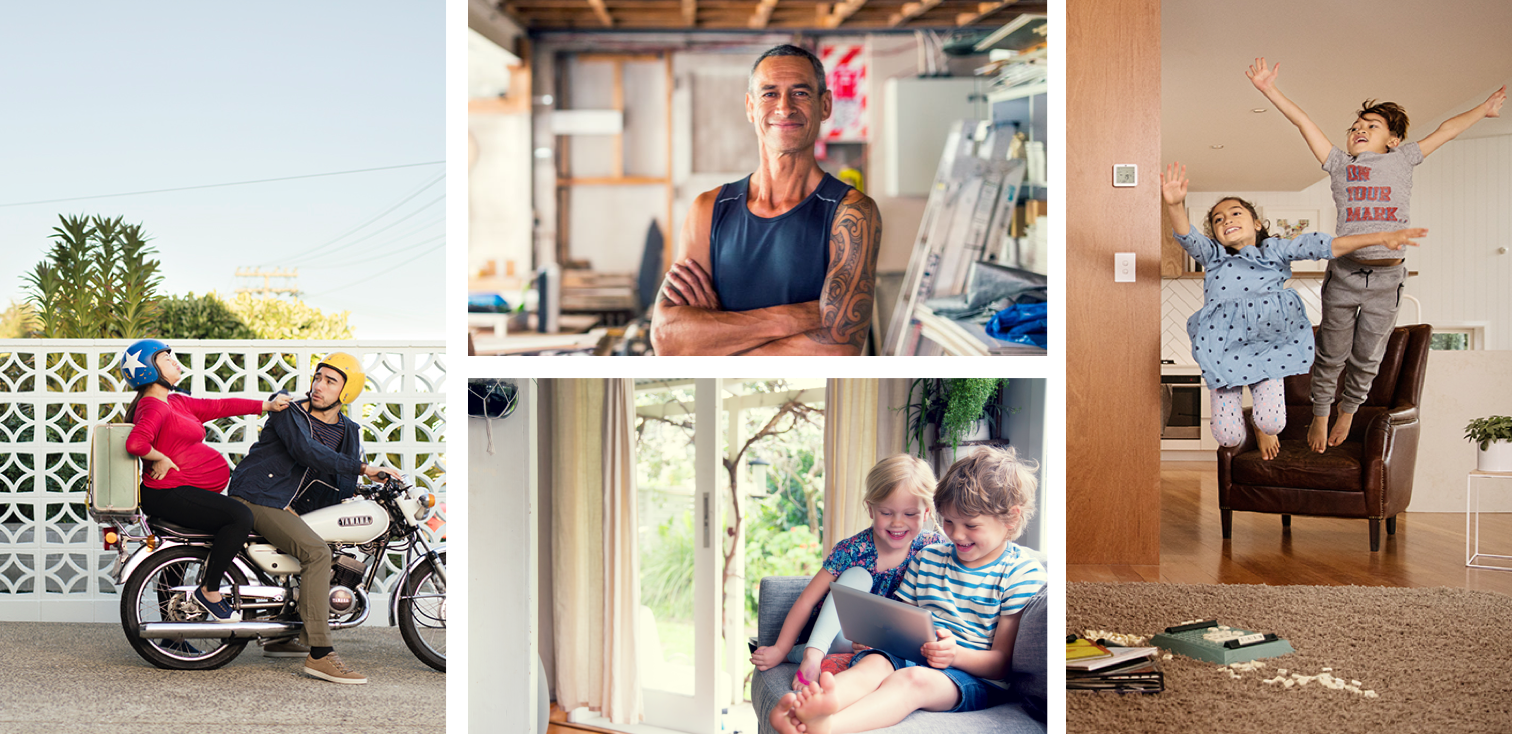
Trade Me is for life, and so is our photography. Our documentary style candidly captures people in situ. They’re natural, active and animated. Images are bright and compositions are simple.
Our photography style
We’ve divided the visual world of Trade Me into three subsets: people, places, and things. When assessing the kind of visual language to put in place, it helps to think about which of these you’re communicating specifically.
People
Imagery featuring people drives direct emotional connections. You might be saying something broad, such as celebrating a national holiday, or a change in season. The aim should be to bring a smile in the viewer by perhaps showing a charming interaction between a family group, or a candid moment caught unaware.
Places
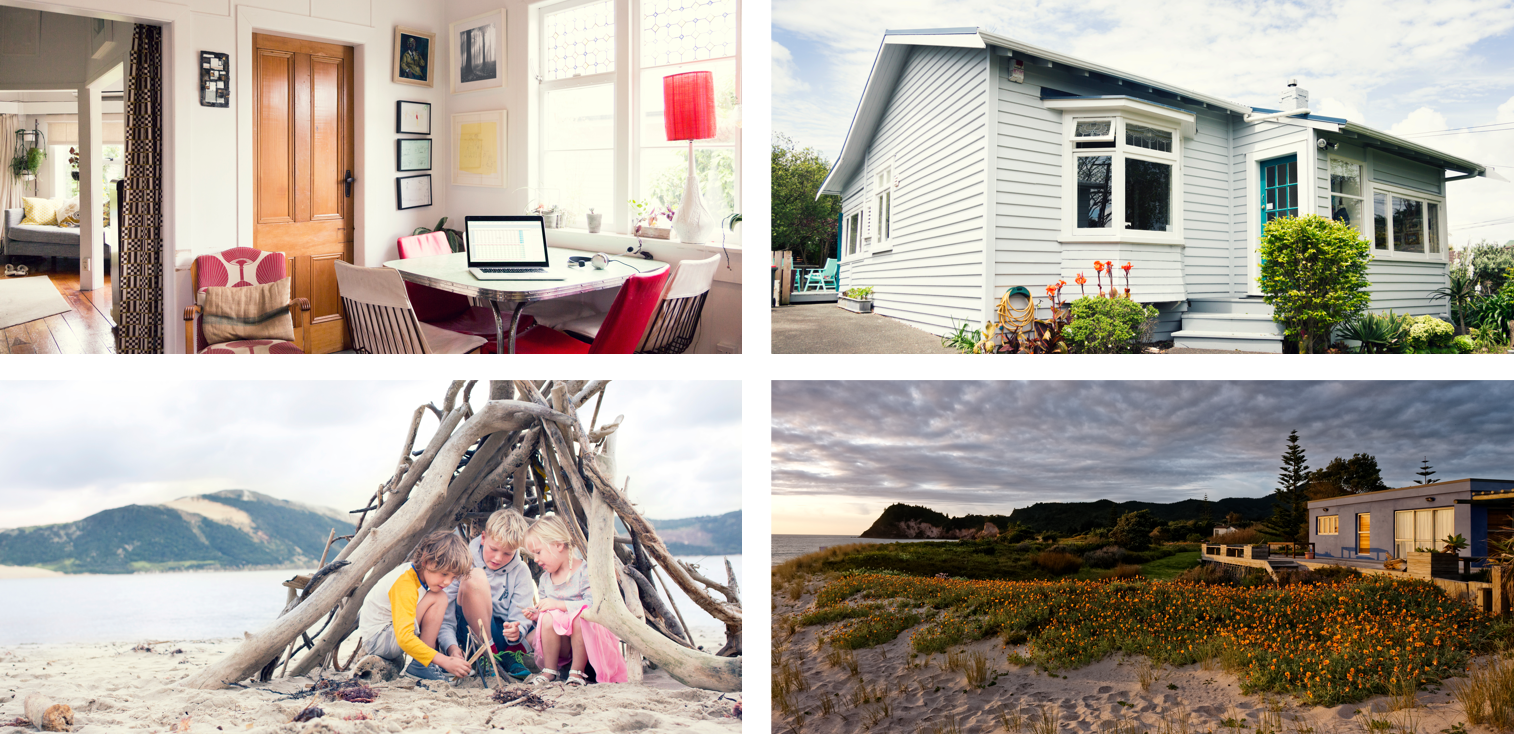
New Zealand is a nation of coastlines and waterways, underpinned by a backbone of mountains and green spaces. Imagery helps people relate to the country they know, not a tourism shoot.
Interior shots are more intimate and about expressing feeling. Exterior shots give context and create a sense of place.
Things
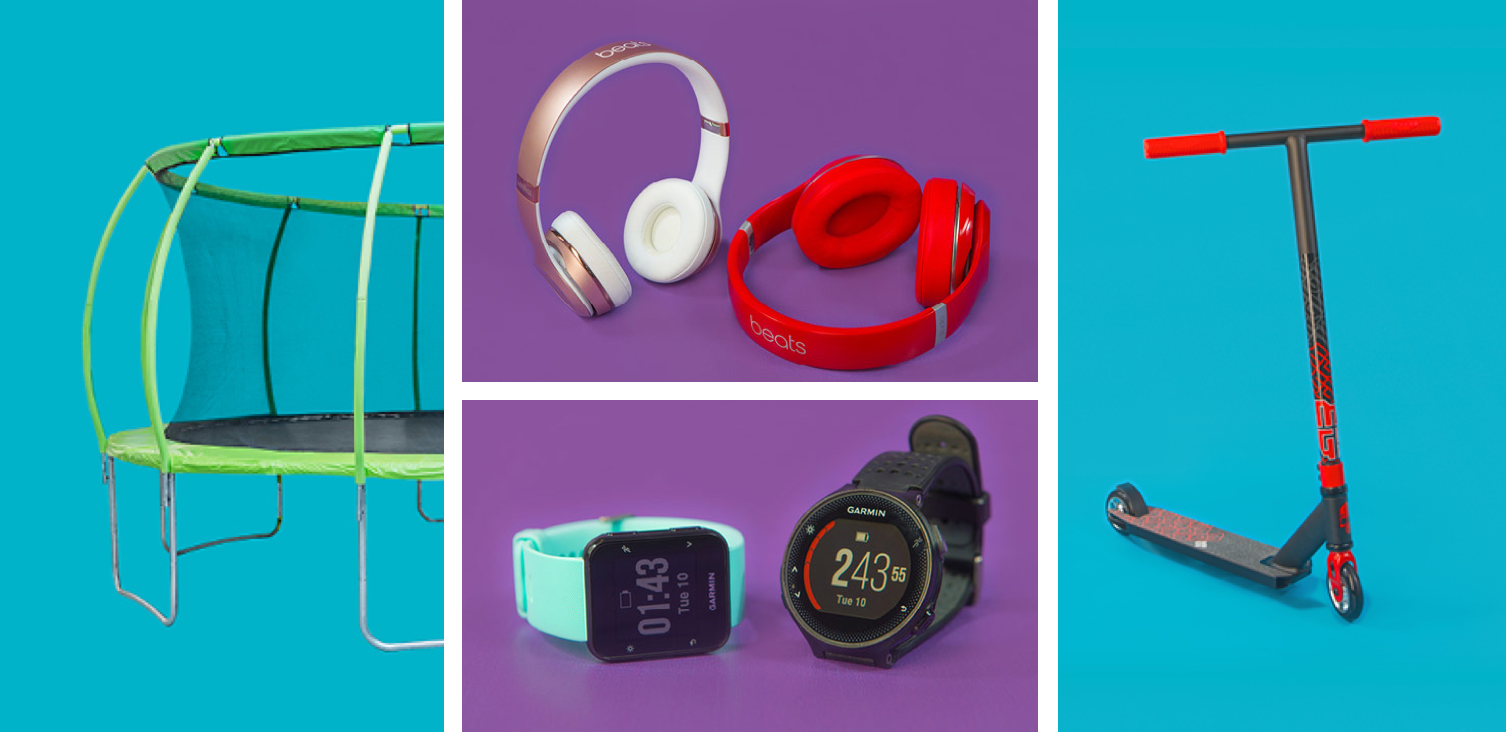
Things represent the rational side of Trade Me, most closely identified with Marketplace and our Stores, particularly for our new goods. We always aim for clear-cut objects and natural-looking shadows.
Choosing photography
There are two ways of approaching photographic selection: by choosing an image that is a literal reflection of the brief, or by choosing to use a conceptual interpretation.
While either approach requires targeting to a specific audience, a general principle is that a literal approach holds more appeal, whilst a conceptual approach appeals more to the emotional need-state.
Property imagery – “I need more space”
Conceptual
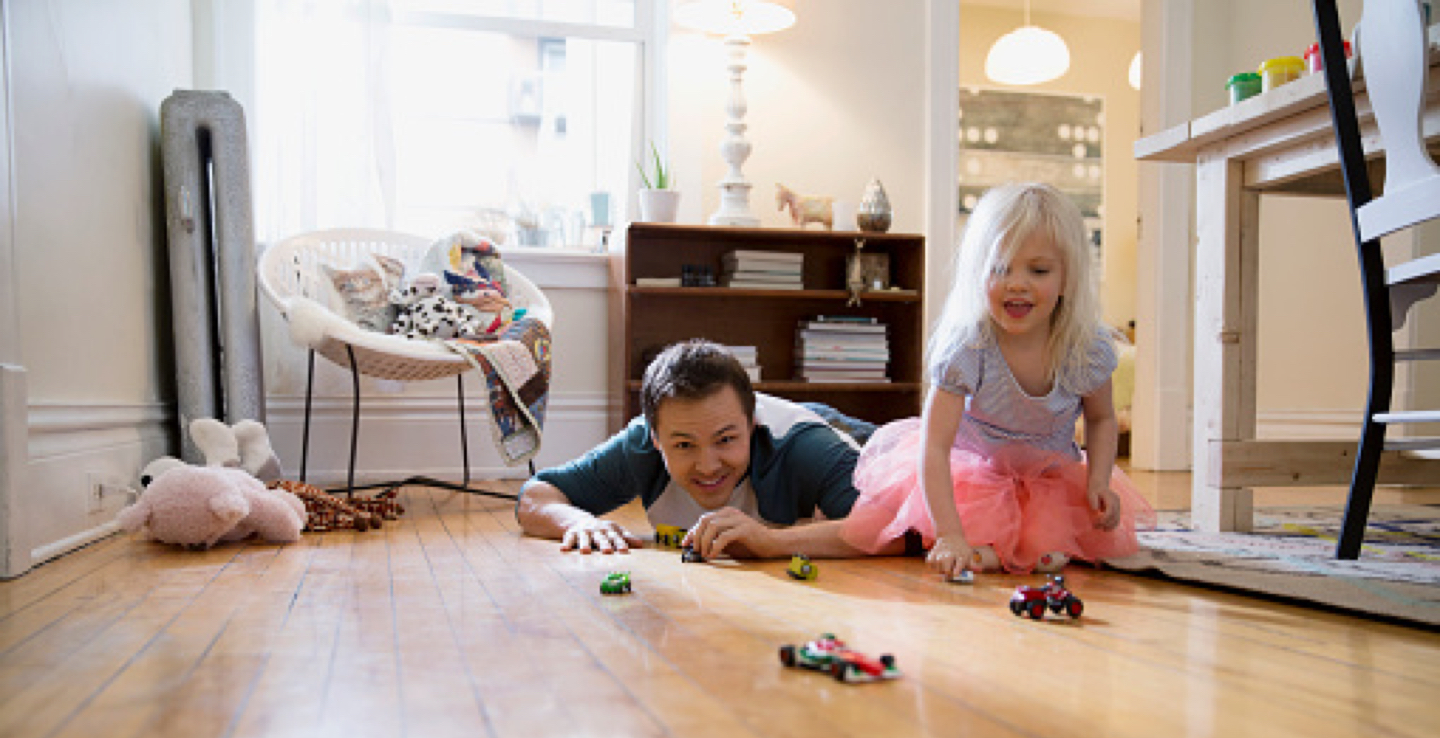
Make an emotional connection by showing how great life is with room to live in.
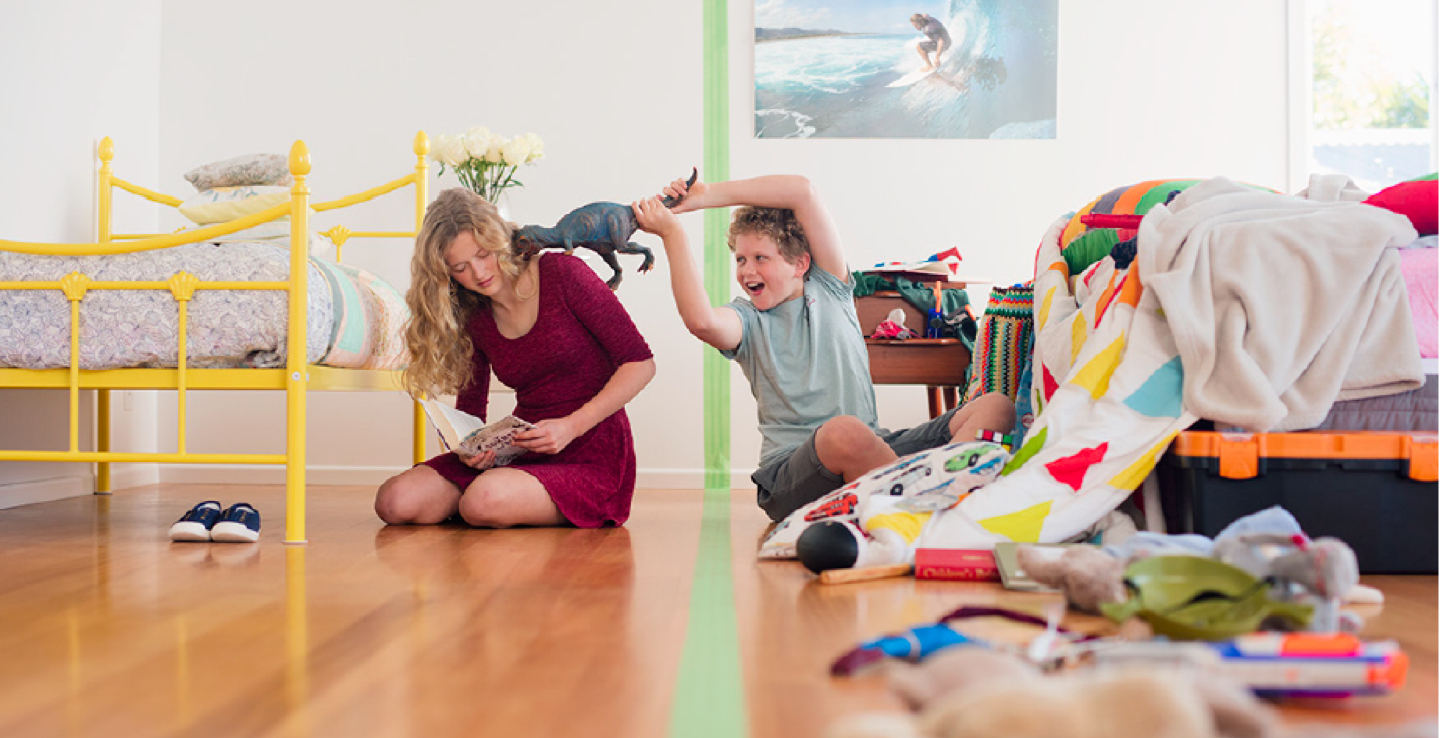
Literal
Image clearly shows that space is at a premium, in this instance two siblings sharing a small bedroom.
Jobs imagery – “I want a new job for a better lifestyle balance”
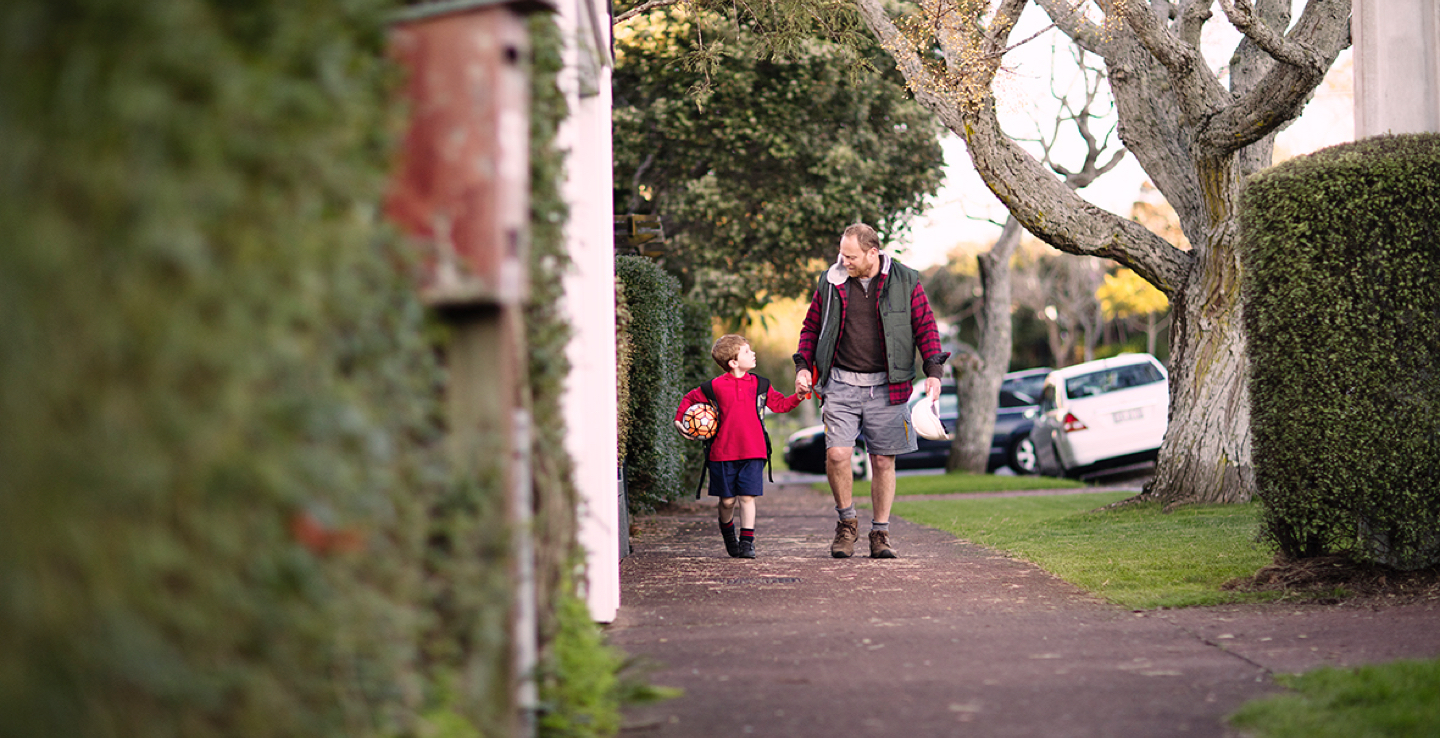
Conceptual
Inspire the insight that too often work means we miss the moments that matter, such as walking the kids to school.

Literal
Show the need-state with what appears to be a very late night at the office.
Motors imagery – “I want a new vehicle”
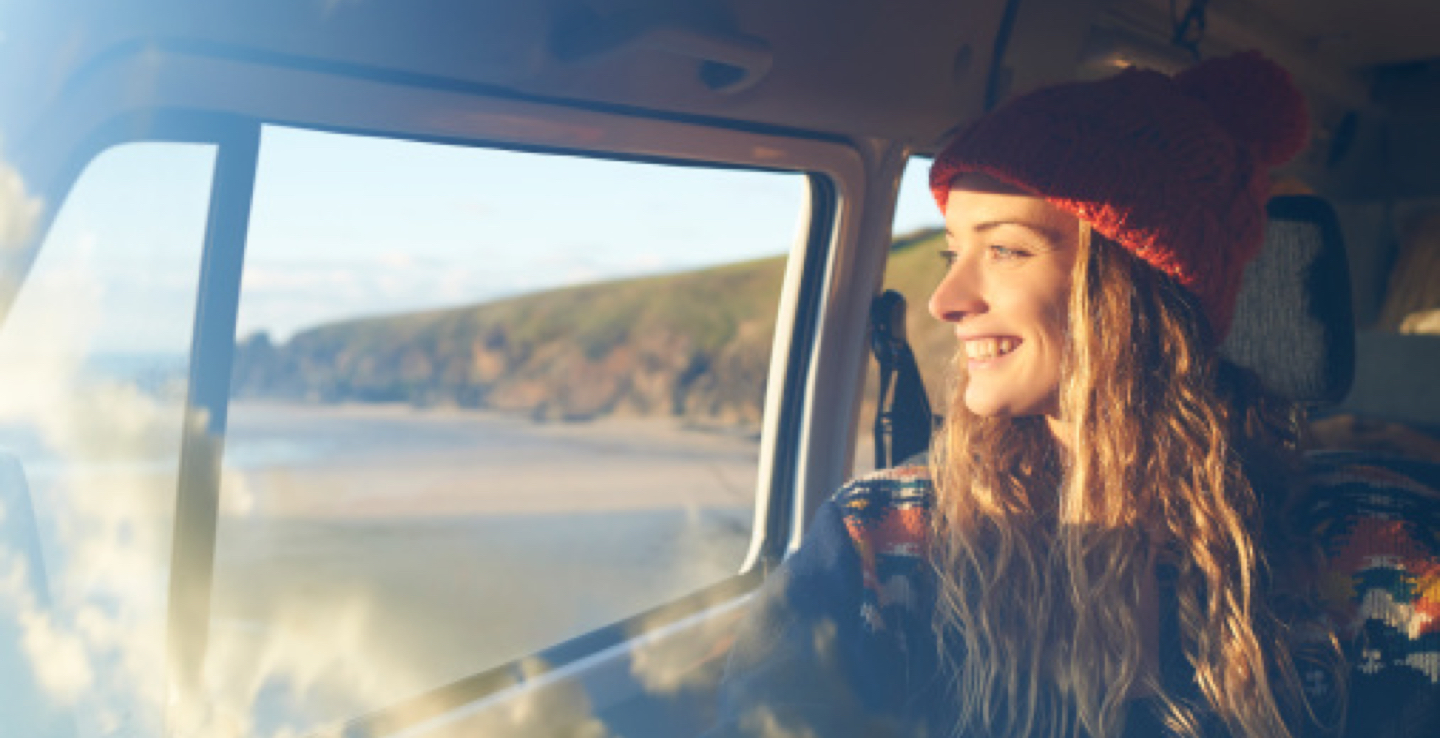
Conceptual
Rather than drawing upon the worn out or dated, maybe you don’t even show a vehicle at all.
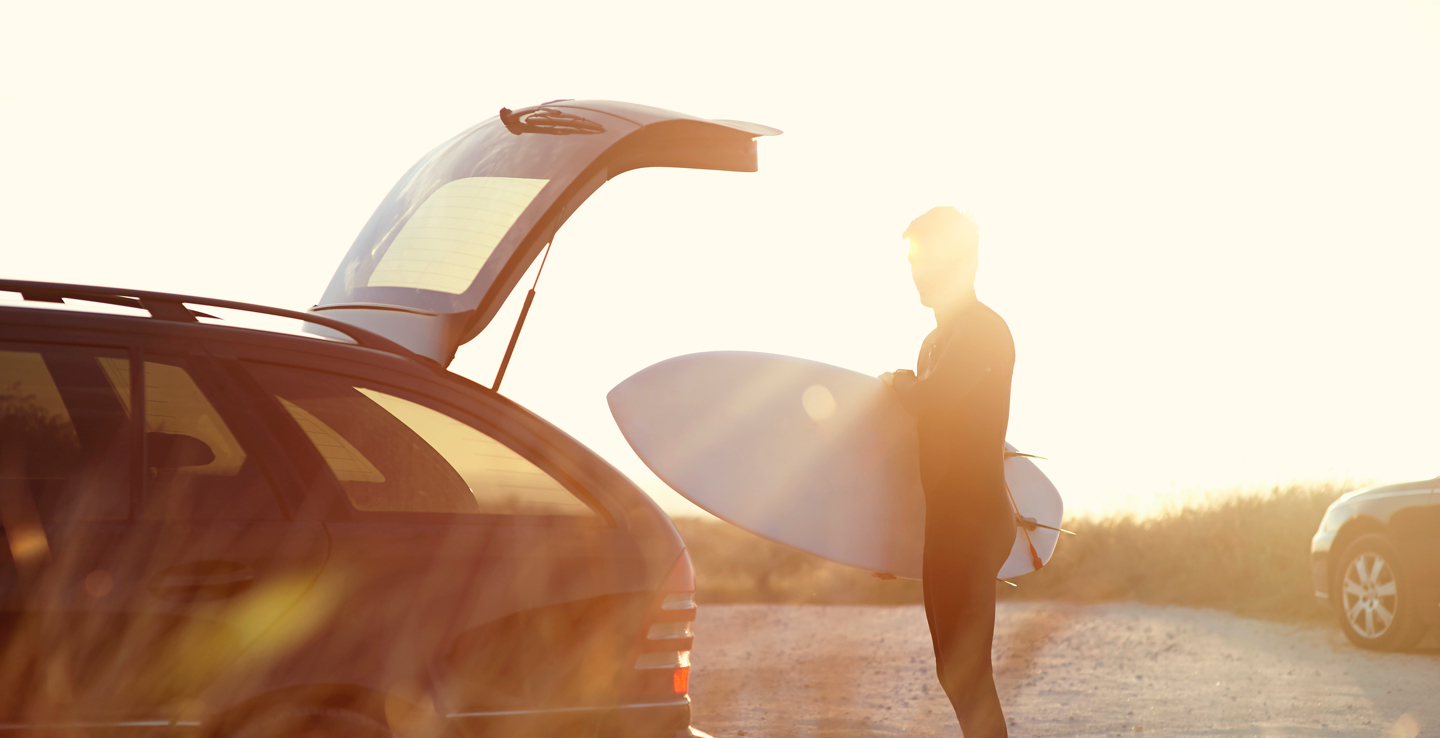
Literal
Inspire a new purchase by appealing to the functionality that appeals to the targeted lifestyle.
Marketplace imagery – “I need a new…”
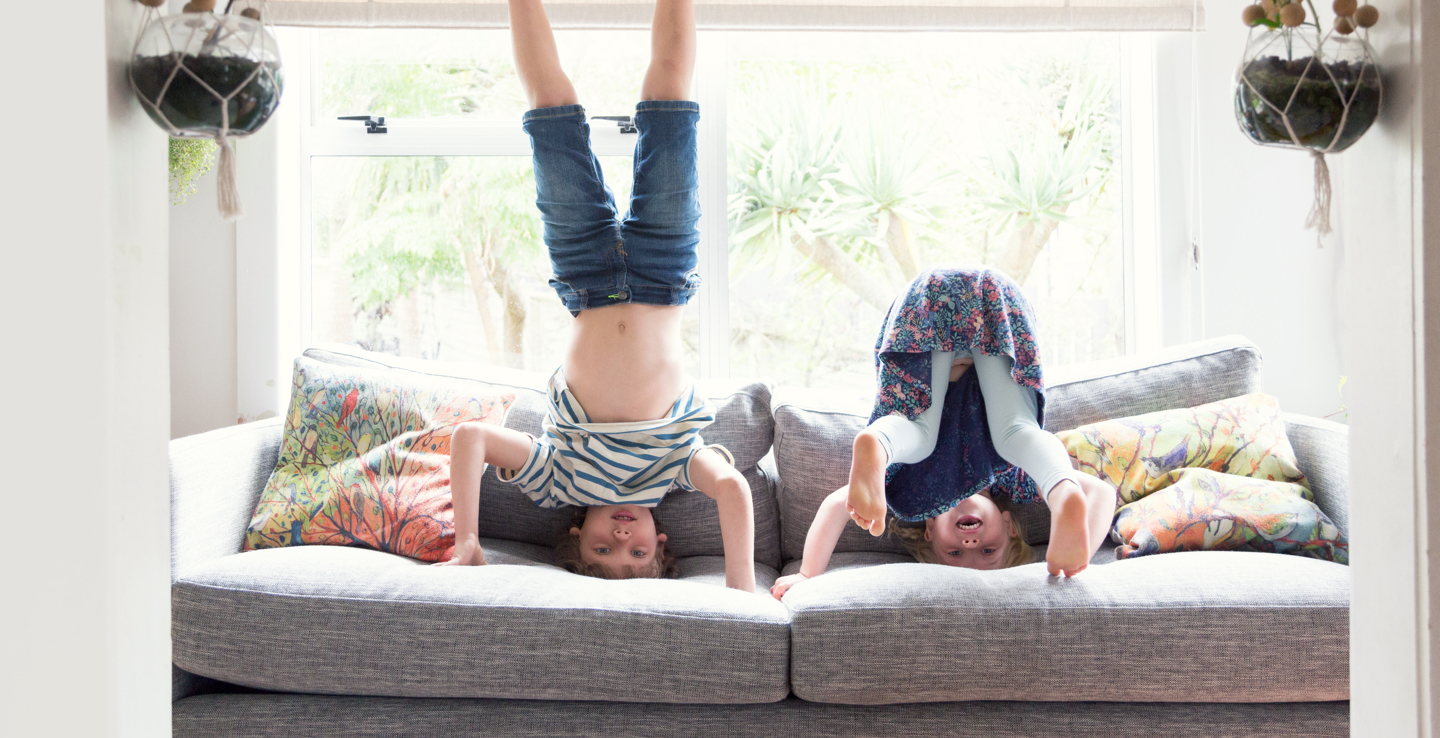
Conceptual
Appeal to the world that opens when you get a new sofa.

Literal
Show an attractive shot of a sofa.
Guide to choosing photography
Focal point
Do: Images should have a clear focal point in order to portray a clear message.
Don't: Images that are too busy or lack a focal point can confuse the message and are hard to decipher on a small screen.
People
Do: People’s expressions need to look natural and not forced.
Don't: Avoid models who look too posed or cheesy.
Expression
Do: Show people’s facial expressions – this creates a more emotive connection.
Don't: Try not to use people facing away from the camera as it can make a photograph less engaging.
Professional quality
Do: Photos should be of a professional quality.
Don't: Avoid photos that look like they’re off the family digital camera.
New Zealand
Do: Try to show a realistic shot of Kiwi life and avoid photos that look like touristy shots.
Don't: Avoid photos that look like they’re straight off the front of a postcard.
Authenticity
Do: Use images that look natural and candid.
Don't: Avoid photos that look cheesy or posed.
Diversity
Do: Where possible, choose images that represent the true diversity of New Zealand. Aim for a range of different ages, ethnicity and gender.
Don't: Avoid photos that contradict the diversity of New Zealand.
Appeal to emotion
Do: Appeal to the emotive moments that may occur around the context. Rather than just showing an image of a car, show a person interacting with the car.
Don't: Don’t just use photos of objects. An image of a car doesn’t tell much of a story.
| Are… | Are not… | |
|---|---|---|
| People | ||
| Things | ||
| Overall |
Photography grade
The Trade Me grade was created to help create a cohesive look and feel throughout our photography. It can be applied to any photography used in both product and marketing.
Original image

Graded image

Original image

Graded image
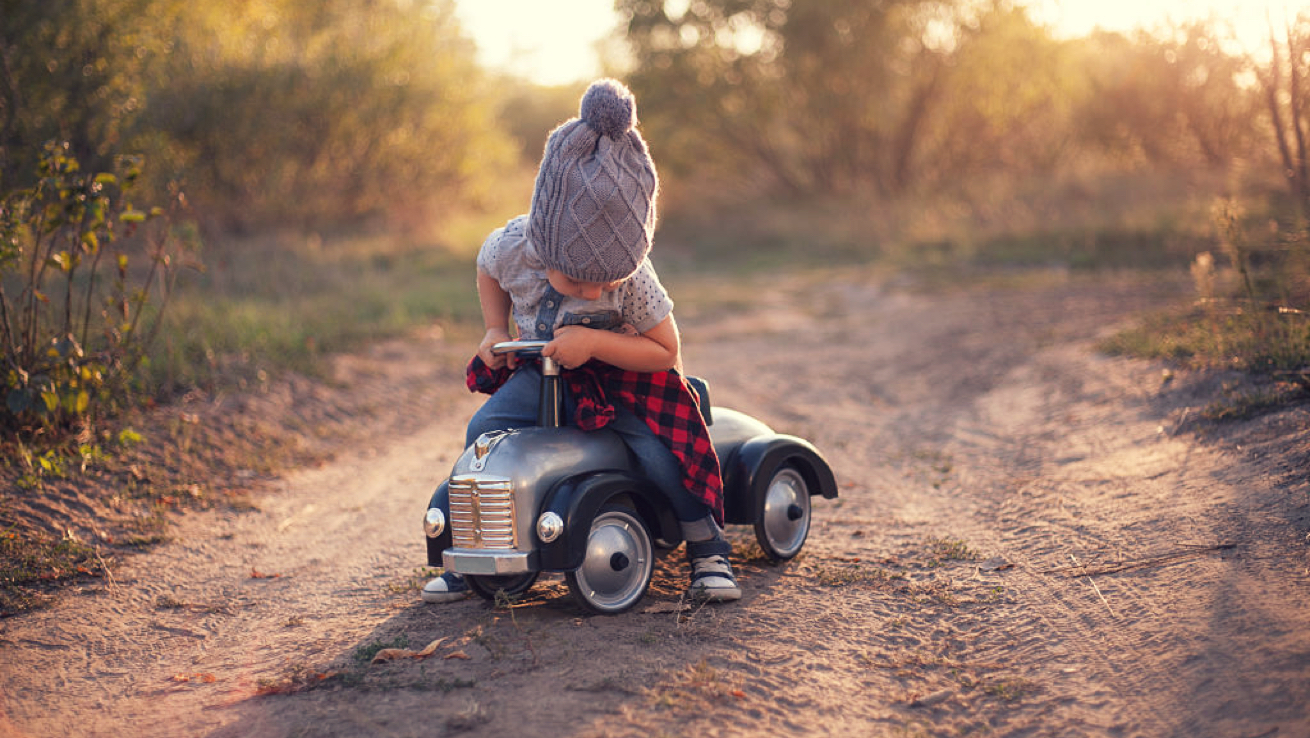
Original image

Graded image

Original image

Graded image